
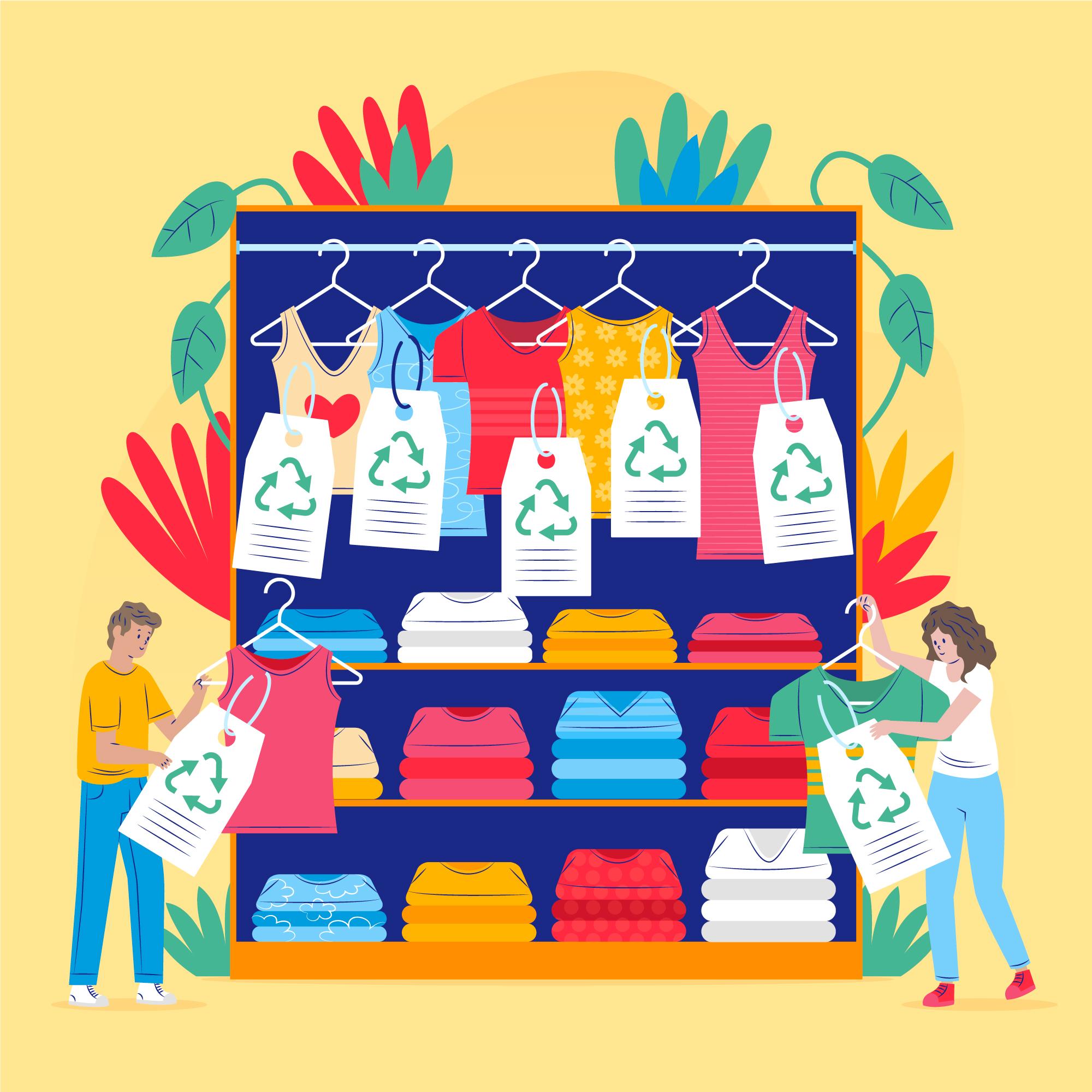
The demand for sustainable textiles is changing the way manufacturers think about raw materials, production, and waste. As brands look for better alternatives to conventional materials, recycled coloured yarns are moving from a niche choice to a practical part of modern textile manufacturing.
This shift is particularly relevant as the textile industry looks beyond simply reducing waste. The focus is increasingly on creating circular systems in which materials can be recovered, processed, and brought back into production rather than being treated as waste at the end of their first use.
What Is Recycled Coloured Yarn?
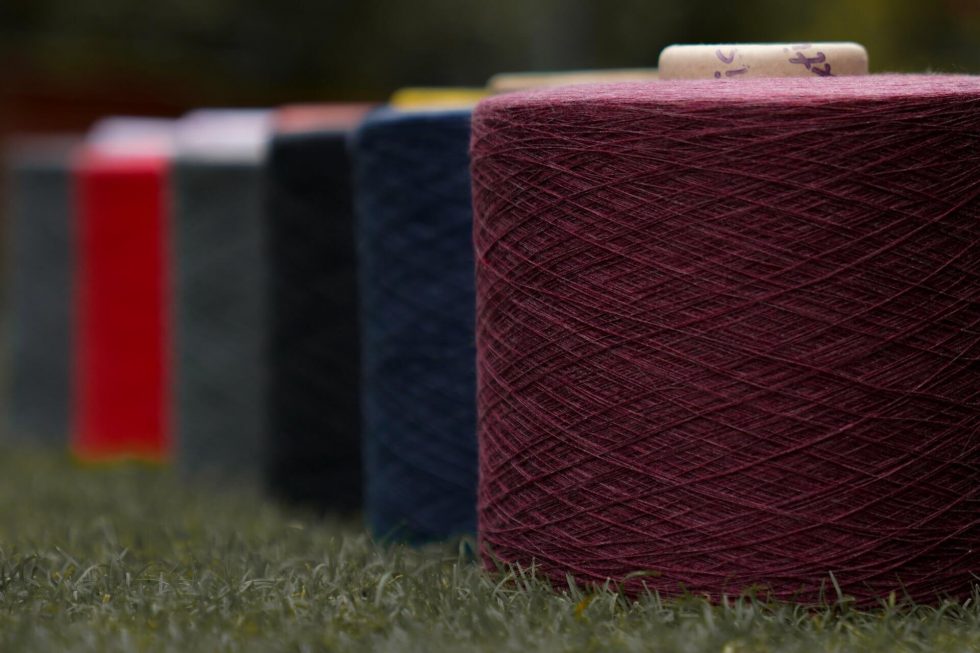
Recycled coloured yarn is produced using recovered textile materials that are processed and transformed into new fibres and yarns. Instead of relying entirely on virgin raw materials, manufacturers can use suitable pre-consumer or post-consumer textile waste to create new yarn.
What makes recycled coloured yarn particularly useful is the availability of colour within the recovered material. Depending on the recycling process and raw material, the fibres can retain or be processed into specific shades, reducing the need for extensive additional dyeing.
This creates an opportunity to combine recycling and colour efficiency within the yarn manufacturing process.
Why Is Recycled Coloured Yarn Becoming Important?
Textile production generates substantial amounts of waste at different stages, from fibre and yarn production to garment manufacturing and end-of-life products. Traditionally, much of this waste can end up in landfills or undergo processes that provide limited value recovery.
Recycling offers an alternative by converting suitable textile waste into a resource for new products.
The growing interest in recycled coloured yarn is also linked to changing expectations from brands, manufacturers, and consumers. Sustainability is no longer limited to the finished garment. Businesses are increasingly looking at the environmental impact of materials and manufacturing processes throughout the supply chain.
Reducing Dependence on Virgin Resources
One of the major advantages of recycled yarn is that it can reduce dependence on virgin raw materials. By incorporating recycled fibres into yarn production, manufacturers can make productive use of materials that would otherwise become waste.
This approach supports the principles of a circular textile economy, where materials are kept in use for longer rather than following a linear journey from raw material to product and eventually waste.
For textile manufacturers, adopting recycled materials can therefore be an important step towards more responsible production.
The Role of Colour in Sustainable Yarn Manufacturing
Colour is an important consideration in textile manufacturing because conventional dyeing can involve additional water, energy, chemicals, and processing.
Recycled coloured yarn provides an interesting approach by making use of coloured recovered textile materials. Depending on the manufacturing process and desired specifications, recycled fibres can be developed into yarns with different colour options.
This can help manufacturers and brands explore more efficient material solutions while maintaining the aesthetic requirements of their products.
Applications Across the Textile Industry
Recycled coloured yarn can be used in a variety of textile applications, depending on its fibre composition, yarn specifications, and performance characteristics. It can find applications in apparel, home textiles, accessories, furnishings, and other textile products.
As recycling technologies and manufacturing capabilities continue to improve, the potential applications of recycled yarn are also expanding.
For manufacturers, this opens the door to developing products that combine functionality, design, and sustainability.
Building a More Circular Textile Industry
The future of textiles will depend increasingly on how effectively the industry manages resources and waste. Recycling alone cannot solve every challenge, but it is an important component of a broader circularity strategy.
Companies investing in recycled materials, responsible sourcing, waste recovery, and efficient manufacturing can contribute to a textile ecosystem where discarded materials become valuable inputs for new products.
Recycled coloured yarn represents this shift in a practical way: transforming recovered textile materials into a resource that can once again become part of the textile supply chain.
As demand for sustainable materials continues to grow, recycled coloured yarn is positioned to become an increasingly important choice for modern textile manufacturing. For brands and manufacturers looking to reduce waste and embrace circular production, it offers an opportunity to rethink how colour, materials, and sustainability can work together.
For more details about oasis textiles, follow us on LinkedIn