
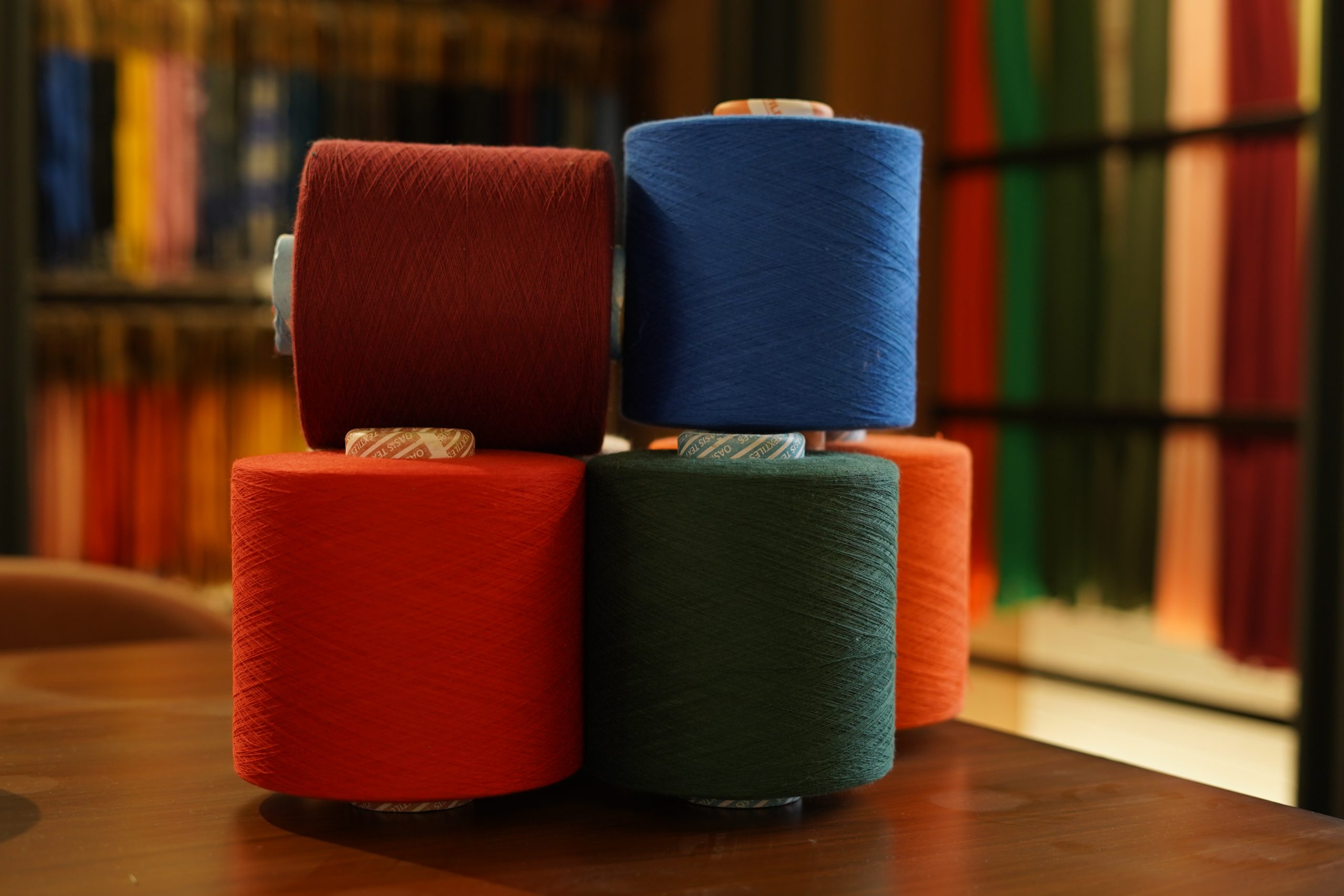
The textile industry is more responsible than ever! There is a significant shift as brands, manufacturers, and consumers increasingly look for materials that combine quality with environmental responsibility. As the demand for sustainable textiles continues to grow, recycled coloured yarns have emerged as an important solution.
Choosing the right recycled coloured yarn manufacturer can play an important role in building a more sustainable textile supply chain. Unlike conventional yarn manufacturing, recycled yarn production focuses on giving discarded materials a new purpose. It helps reduce dependency on virgin resources while contributing to a more circular approach to textiles.
What exactly makes a recycled coloured yarn manufacturer a sustainable choice?
The answer lies in the materials used. Furthermore, in the manufacturing processes, approach to waste management, and commitment to circularity.
1. Turning Textile Waste into Valuable Resources
One of the biggest advantages of working with a recycled coloured yarn manufacturer is the ability to transform waste into a useful textile resource.
Large quantities of textile waste are generated throughout the fashion and textile lifecycle. Cutting scraps, rejected fabrics, post-consumer garments, and other textile waste can often be redirected from disposal and processed into fibres that can be used to create new yarns.
Instead of treating textile waste as the end of a product’s journey, recycling gives these materials another life. This approach helps reduce waste while creating opportunities to manufacture new textile products from existing resources.
By incorporating recycled materials into yarn production, manufacturers can support a more circular model where resources remain in use for longer.
2. Supporting the Circular Economy
The concept of a circular economy is becoming increasingly important in the global textile industry. Instead of following a linear model of “take, make, and dispose,” circularity aims to keep materials and products in circulation for as long as possible.
A recycled coloured yarn manufacturer contributes to this model by helping convert waste materials into new textile inputs.
For example, textile waste generated during manufacturing can be collected, sorted, processed, and transformed into fibres. Moving on, that are then spun into yarn. These yarns can be used in a variety of textile applications, creating a connection between waste recovery and new product development.
This approach supports the idea that textile waste can become a resource rather than simply something to be discarded.
3. Colour and Sustainability Can Go Together
Sustainability is not only about reducing waste. Today’s textile industry requires versatility, creativity, and colour options that meet the needs of designers and manufacturers.
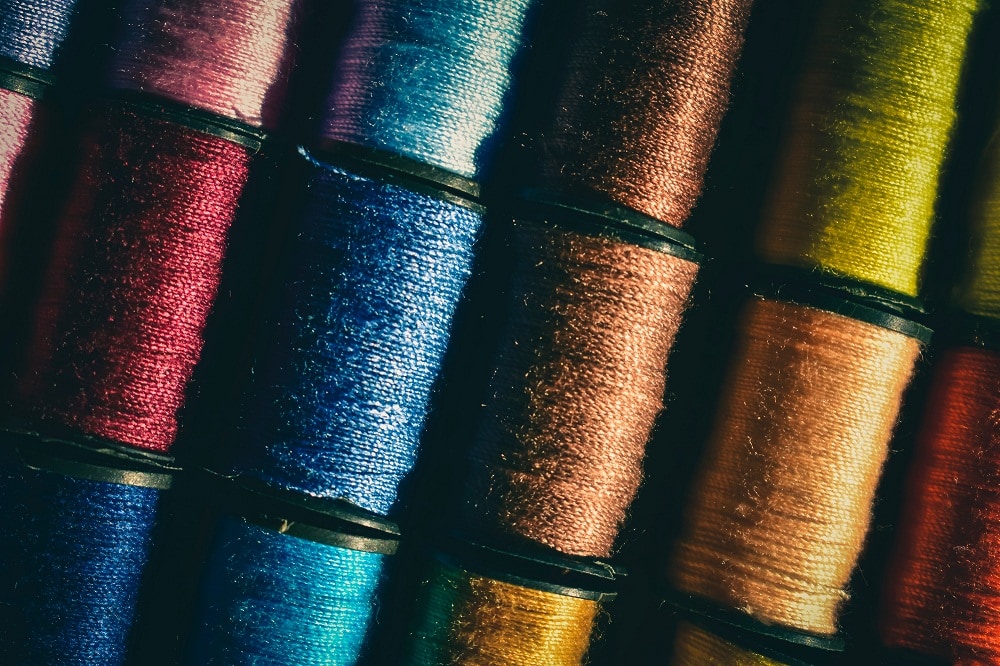
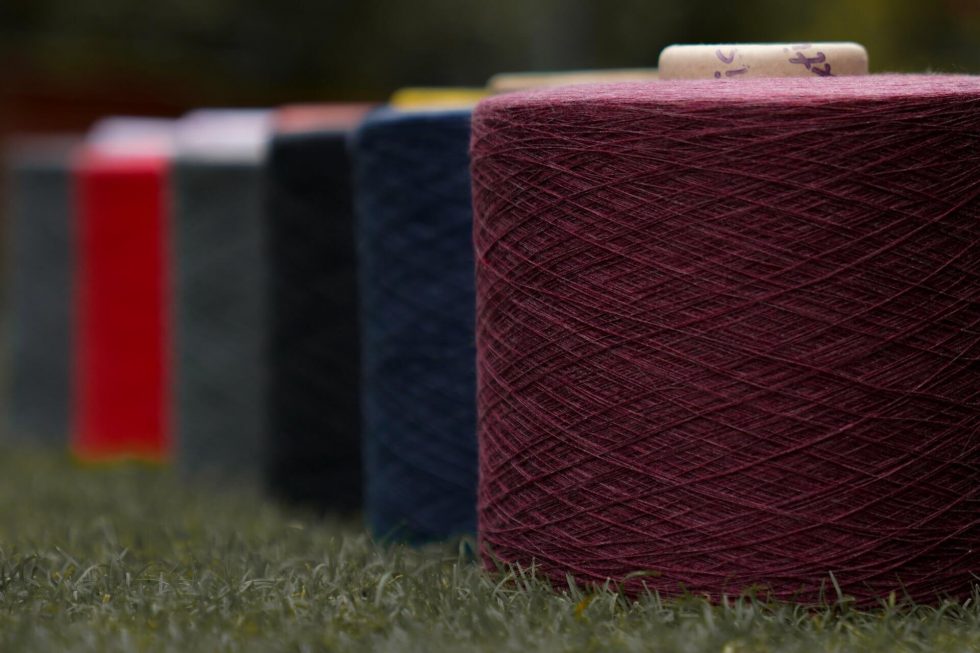
A reliable recycled coloured yarn manufacturer combines sustainability with the ability to produce yarns in a wide range of shades and applications. This enables textile manufacturers to explore more sustainable alternatives. Moreover, they do this without compromising on the visual appeal that modern textile requires.
4. Responsible Waste Management
A sustainable yarn manufacturer must look beyond the final product and consider the complete manufacturing process.
Effective waste management is an important part of responsible textile production. This includes identifying suitable waste streams, segregating materials, processing them efficiently. Furthermore, finding ways to maximise the value recovered from discarded textiles.
Manufacturers that focus on waste recovery and resource efficiency can help reduce the amount of textile waste sent for disposal.
5. Helping Brands Meet Sustainability Goals
Companies are looking for ways to reduce waste, improve material sourcing, and create products that align with evolving environmental expectations. Partnering with a recycled coloured yarn manufacturer can help businesses explore recycled material options as part of their sustainability strategies.
The right manufacturing partner can help businesses move from sustainability goals to practical material choices that can be incorporated into their products.
6. Traceability and Transparency Matter
Sustainability claims are most meaningful when they are supported by responsible processes and transparent practices. As the demand for recycled textiles grows, businesses are increasingly interested in understanding where materials come from and how they are processed.
A responsible recycled coloured yarn manufacturer should have a clear understanding of its raw material sources and recycling processes. Transparency can help customers make informed decisions about the materials they choose for their textile products.
Choosing Sustainability with the Right Manufacturing Partner
Choosing a recycled yarn supplier is about more than simply selecting a product. It involves understanding the manufacturer’s approach to recycling, raw materials, quality, colour, waste management, and sustainability.
For businesses looking to incorporate recycled materials into their textile products, partnering with an experienced recycled coloured yarn manufacturer can provide an opportunity to combine sustainability with the quality and versatility required by today’s market.
As the textile industry continues to evolve, recycled yarns can play an important role in reducing waste and making better use of existing resources. By supporting recycling and circularity, manufacturers and brands can contribute to a textile ecosystem where materials are valued for longer and waste is viewed as a potential resource.
Conclusion
At Oasis Textiles, the focus on recycled and sustainable yarn solutions reflects the growing need for responsible textile manufacturing. Through approaches that prioritise resource recovery and circularity, the industry can continue moving towards a future where sustainability is integrated into the way textiles are designed, manufactured, and used.
The shift towards sustainable textiles is already underway. Choosing the right recycled coloured yarn manufacturer is one step businesses can take to be part of this transformation.
For more details about oasis textiles, follow us on LinkedIn