
The year 2026 is nearing its end and textile industry is entering a new phase of recycling. For years, textile recycling largely focused on diverting discarded garments and production waste from landfills and giving these materials another use. Today, the conversation is moving further toward circular textiles, advanced fibre recovery, and recycled yarn. Now we talk about resource efficiency, and more responsible production systems, and innovation.
As brands and manufacturers look for practical ways to reduce their environmental impact, textile recycling is becoming an increasingly important part of the industry’s future. But what comes next?
From Textile Waste to Valuable Resources
Textile waste is no longer being viewed simply as something that needs to be disposed of. Increasingly, it is being recognised as a valuable resource that can be recovered and reintroduced into manufacturing.
Post-industrial textile waste, cutting scraps, discarded fibres, and suitable post-consumer textiles can all become inputs for recycling processes, depending on their composition and condition. The objective is to recover as much usable material as possible and reduce the demand for virgin resources.
This shift is helping transform textile recycling from a waste-management activity into an important part of circular textile manufacturing.
The Rise of Recycled Yarn
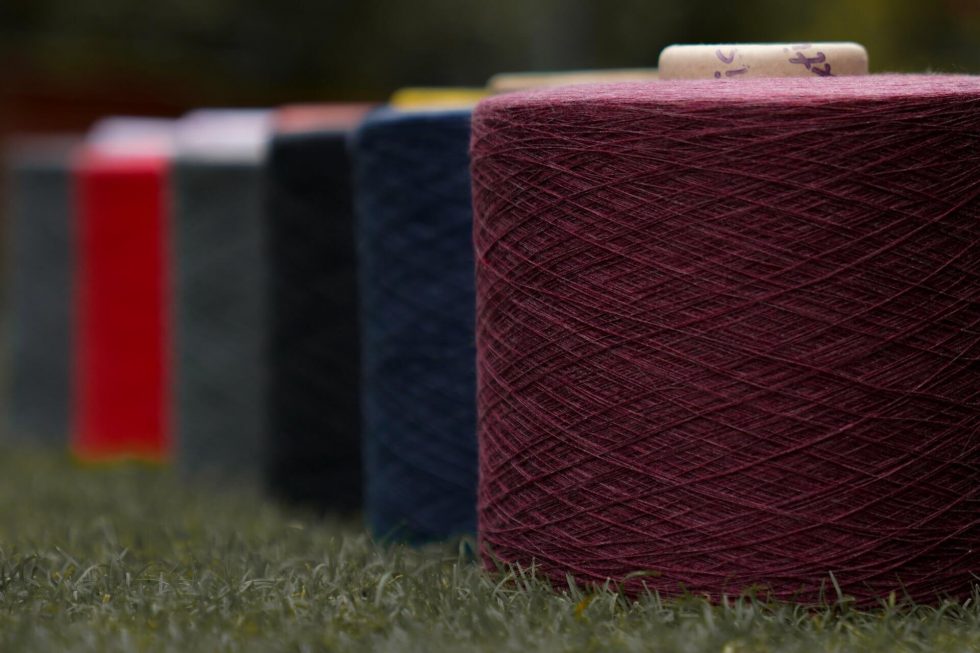
One of the most visible developments in textile recycling is the growing use of recycled yarn. Recycled yarn manufacturers are developing solutions that allow recovered textile fibres to be processed into yarns suitable for a range of applications. Depending on the fibre composition and recycling method, these yarns can be used across apparel, home textiles, furnishings, industrial textiles, and other textile products.
For manufacturers and brands, recycled yarn provides an opportunity to incorporate recovered materials into new products while supporting broader circularity goals.
Technology Will Shape the Next Stage
The future of textile recycling will depend heavily on technological development. Improved sorting, fibre separation, mechanical recycling, and other emerging recycling technologies can help address some of the challenges associated with mixed fibres and complex textile waste. As technology continues to develop, the possibilities for recovering and reusing textile materials are expected to expand.
Moving Towards Circular Textile Systems
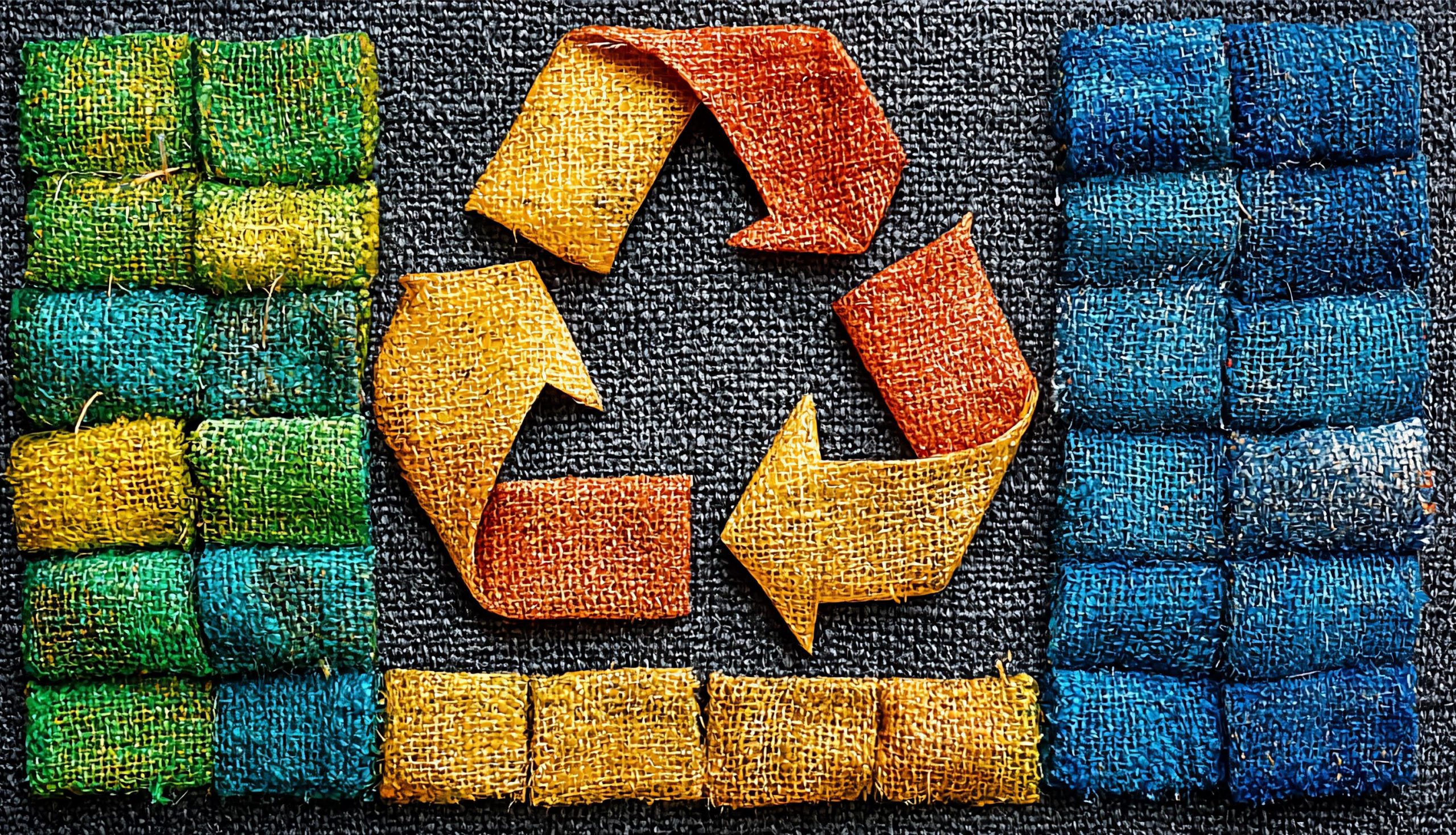
Recycling is an important part of the circular economy, but it is only one piece of the larger picture.
A truly circular textile industry considers what happens to materials throughout their lifecycle. It means, right from raw material selection and manufacturing to product use and eventual recovery. Hence, the industry must increasingly focus on designing products and processes with circularity in mind. Better material selection, responsible manufacturing, and the use of recycled materials can collectively contribute to a more circular system.
The future is therefore not simply about recycling more textiles. It is about creating systems in which materials can remain in circulation for as long as possible.
Recycled Coloured Yarn and Resource Efficiency
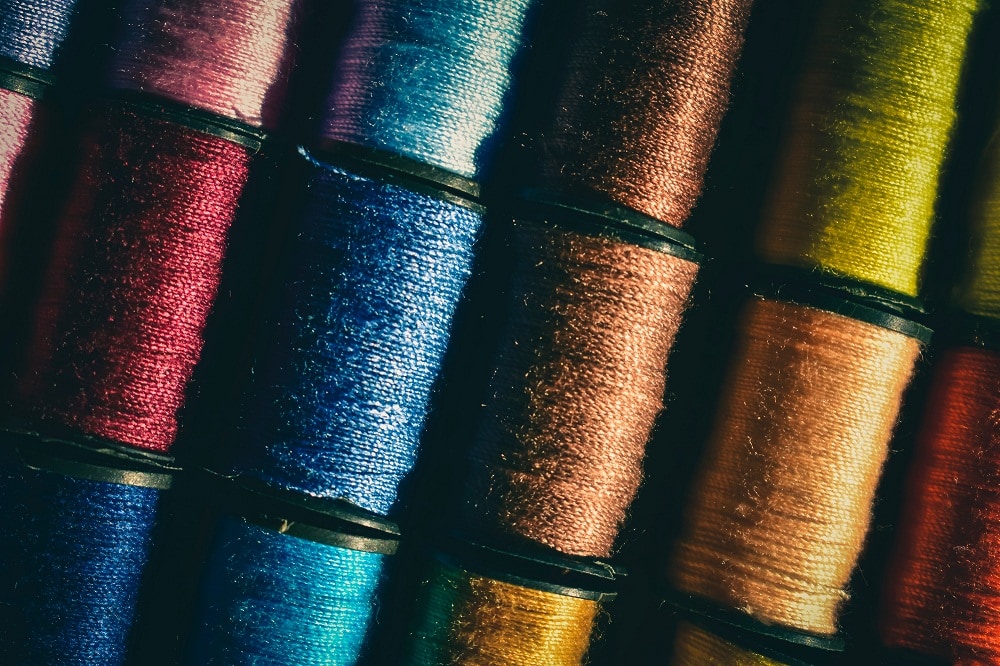
Another area gaining attention is recycled coloured yarn. Recovering and reusing coloured textile materials can create opportunities to reduce unnecessary processing and make better use of existing resources.
For textile manufacturers, innovations in recycled coloured yarn can provide both functional and creative possibilities while supporting the industry’s movement towards more circular production.
The ability to transform textile waste into commercially usable yarn demonstrates how recycling can move beyond waste reduction and become part of value creation.
Traceability Will Become Increasingly Important
As demand for recycled textiles grows, transparency will become just as important as recycling capacity.
Brands and buyers increasingly want to understand where recycled materials come from. Moreover, how they are processed, and how they contribute to their sustainability objectives. Clearer information about material sources, recycling processes, and recycled content can help build confidence throughout the textile supply chain.
What Comes Next for Textile Recycling?
The next milestone in textile recycling will not be defined by one technology or one manufacturing process. It will come from the industry’s ability to combine innovation, recycling infrastructure, circular design, responsible sourcing, and scalable manufacturing.
It is a move towards a textile industry where materials are recovered, reused, and kept in circulation for longer. The future of textile recycling is not simply about giving old textiles a second life. It is about building a system where fewer resources are lost in the first place.